These smocks, called biaudes in the central part of France where I live, were worn by farm workers, especially those that worked with cattle and sheep, and by extension they were also the traditional clothing for livestock market days and for abbatoir workers in Paris and bigger towns and cities. The style didn’t change for hundreds of years, and images can be seen in medieval paintings of peasants wearing much the same loose blouses which protected the wearer from mud and straw. They were traditionally dyed deep indigo verging on black to hide the dirt that farm work would entail. The finer ones, like this one, would have been reserved for market days, and some of them had beautiful carefully worked necklines and would even be worn as a wedding shirt with a silver fastening at the neck.
This one is made from a fine dense machine-woven linen of beautiful quality, shiny and drapey, and is a deep black. It has a stunning closely-pleated neckline and little black glass buttons at the sleeve cuffs. It is handmade, and is in almost perfect condition, the only wear is along the rolled neckline and even then it is just the outer layer of linen that is affected. These are free-size styles but having said that, this one is smaller than some in the arm length. It has no buttons, just a neck opening. It looks absolutely stunning on.
It measures approximately 81cm from armpit to armpit lying flat across the front of the chest. The arms are 53cm from shoulder seam to the edge of the cuff, and it is 88cm long. If you would like to see it on a human form (me) message me with your instagram handle and I will send you a video of me wearing it - I have found that this is the best way to give an idea of what garments look like on, how they drape and move - but I cannot send a video by email, just photos.
These are collectors items and extremely rare now. This is only the fourth I have ever found. The last one I found was indigo-dyed and went to a museum collection in Austria.
To purchase, or to discuss, please message me via the contact form - make sure to mention the title so I know what we are discussing!
These smocks, called biaudes in the central part of France where I live, were worn by farm workers, especially those that worked with cattle and sheep, and by extension they were also the traditional clothing for livestock market days and for abbatoir workers in Paris and bigger towns and cities. The style didn’t change for hundreds of years, and images can be seen in medieval paintings of peasants wearing much the same loose blouses which protected the wearer from mud and straw. They were traditionally dyed deep indigo verging on black to hide the dirt that farm work would entail. The finer ones, like this one, would have been reserved for market days, and some of them had beautiful carefully worked necklines and would even be worn as a wedding shirt with a silver fastening at the neck.
This one is made from a fine dense machine-woven linen of beautiful quality, shiny and drapey, and is a deep black. It has a stunning closely-pleated neckline and little black glass buttons at the sleeve cuffs. It is handmade, and is in almost perfect condition, the only wear is along the rolled neckline and even then it is just the outer layer of linen that is affected. These are free-size styles but having said that, this one is smaller than some in the arm length. It has no buttons, just a neck opening. It looks absolutely stunning on.
It measures approximately 81cm from armpit to armpit lying flat across the front of the chest. The arms are 53cm from shoulder seam to the edge of the cuff, and it is 88cm long. If you would like to see it on a human form (me) message me with your instagram handle and I will send you a video of me wearing it - I have found that this is the best way to give an idea of what garments look like on, how they drape and move - but I cannot send a video by email, just photos.
These are collectors items and extremely rare now. This is only the fourth I have ever found. The last one I found was indigo-dyed and went to a museum collection in Austria.
To purchase, or to discuss, please message me via the contact form - make sure to mention the title so I know what we are discussing!
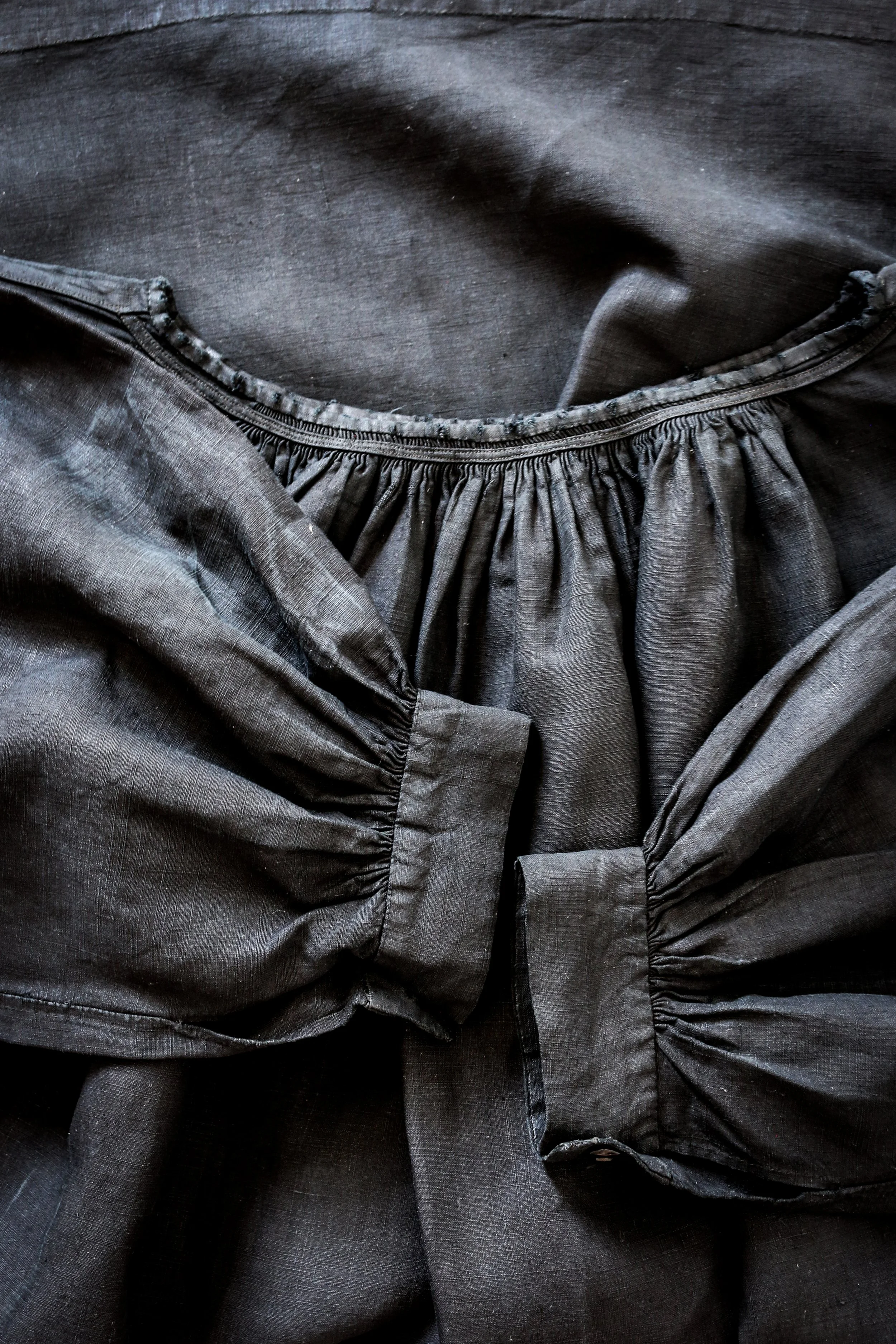 Image 1 of 10
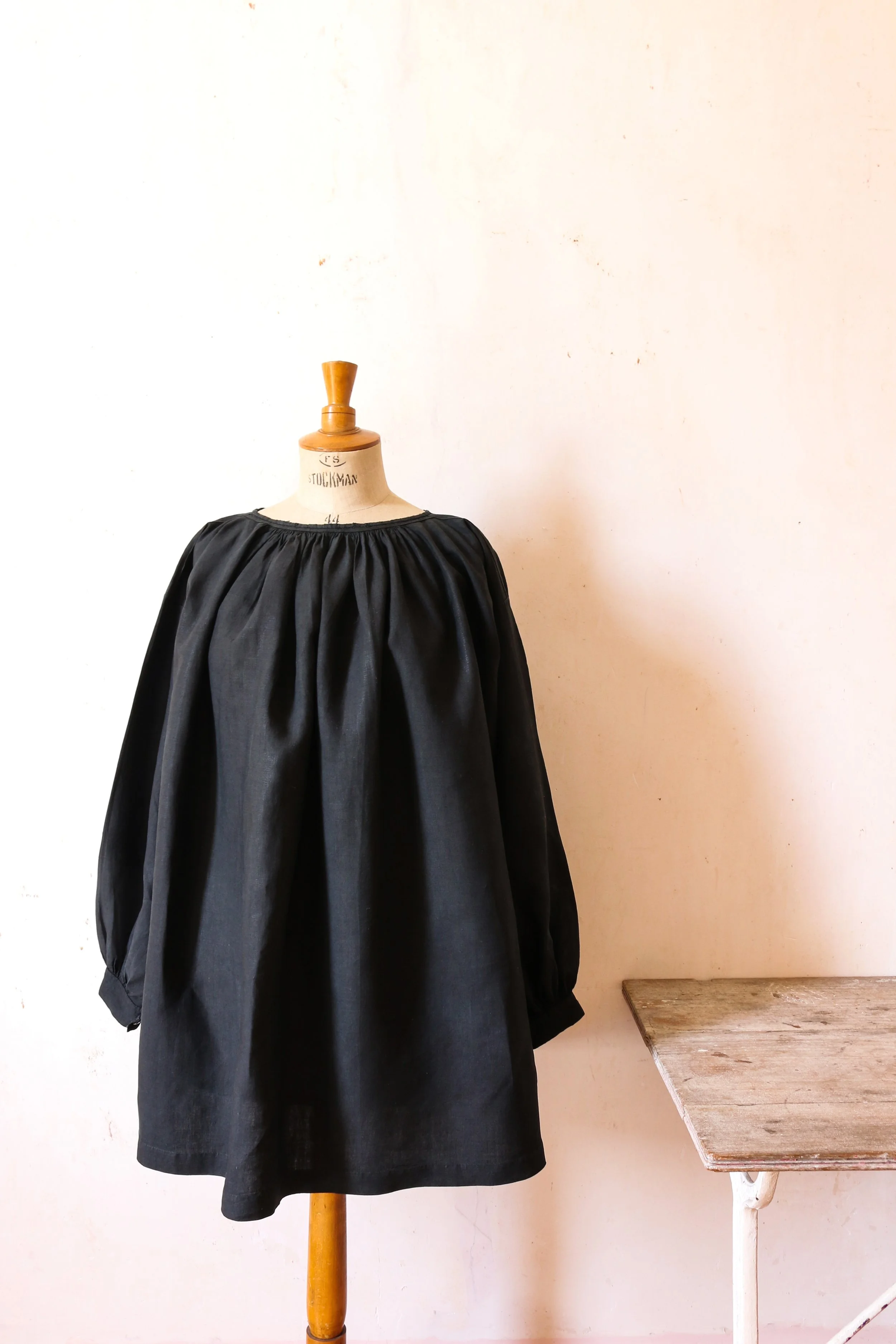 Image 2 of 10
 Image 3 of 10
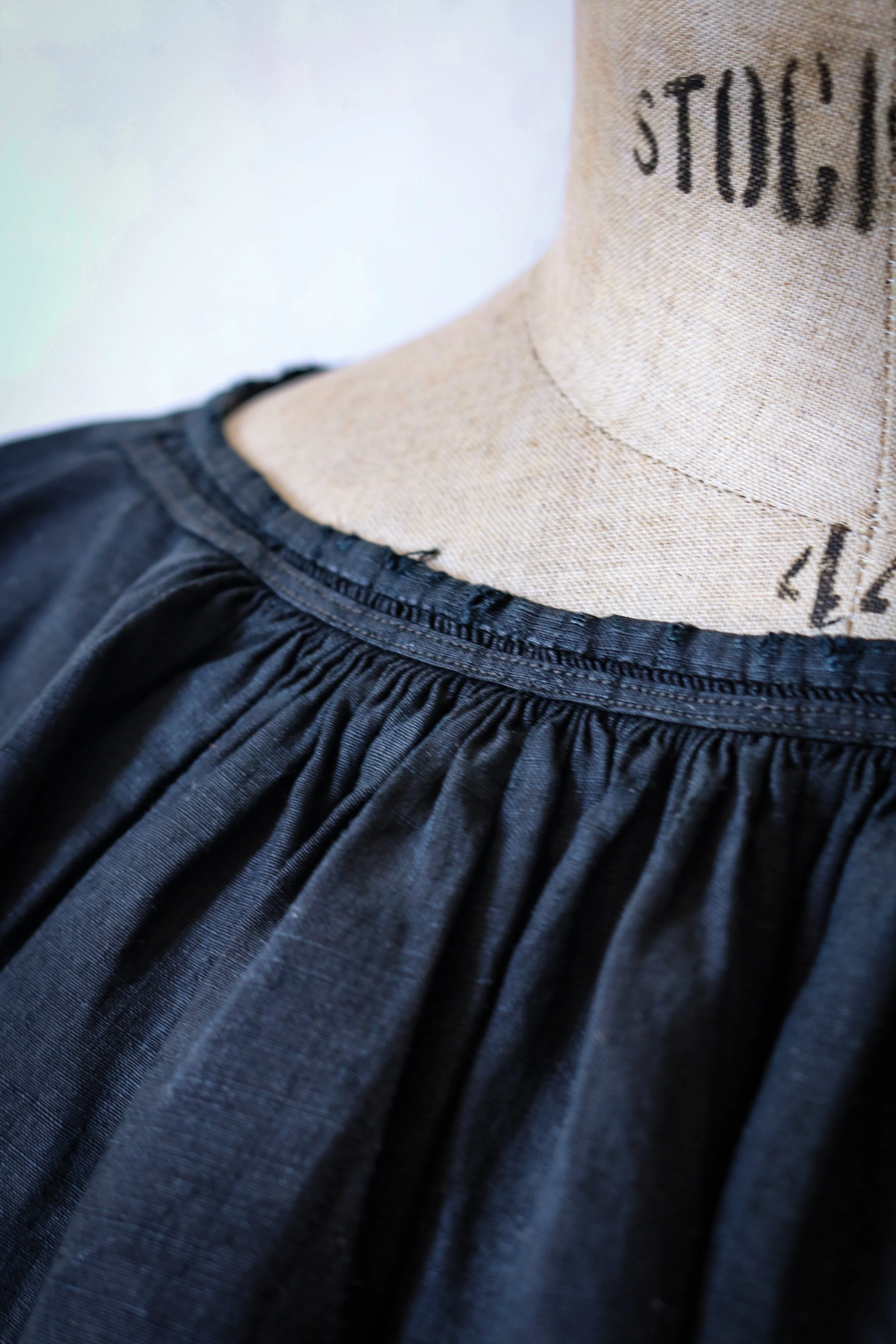 Image 4 of 10
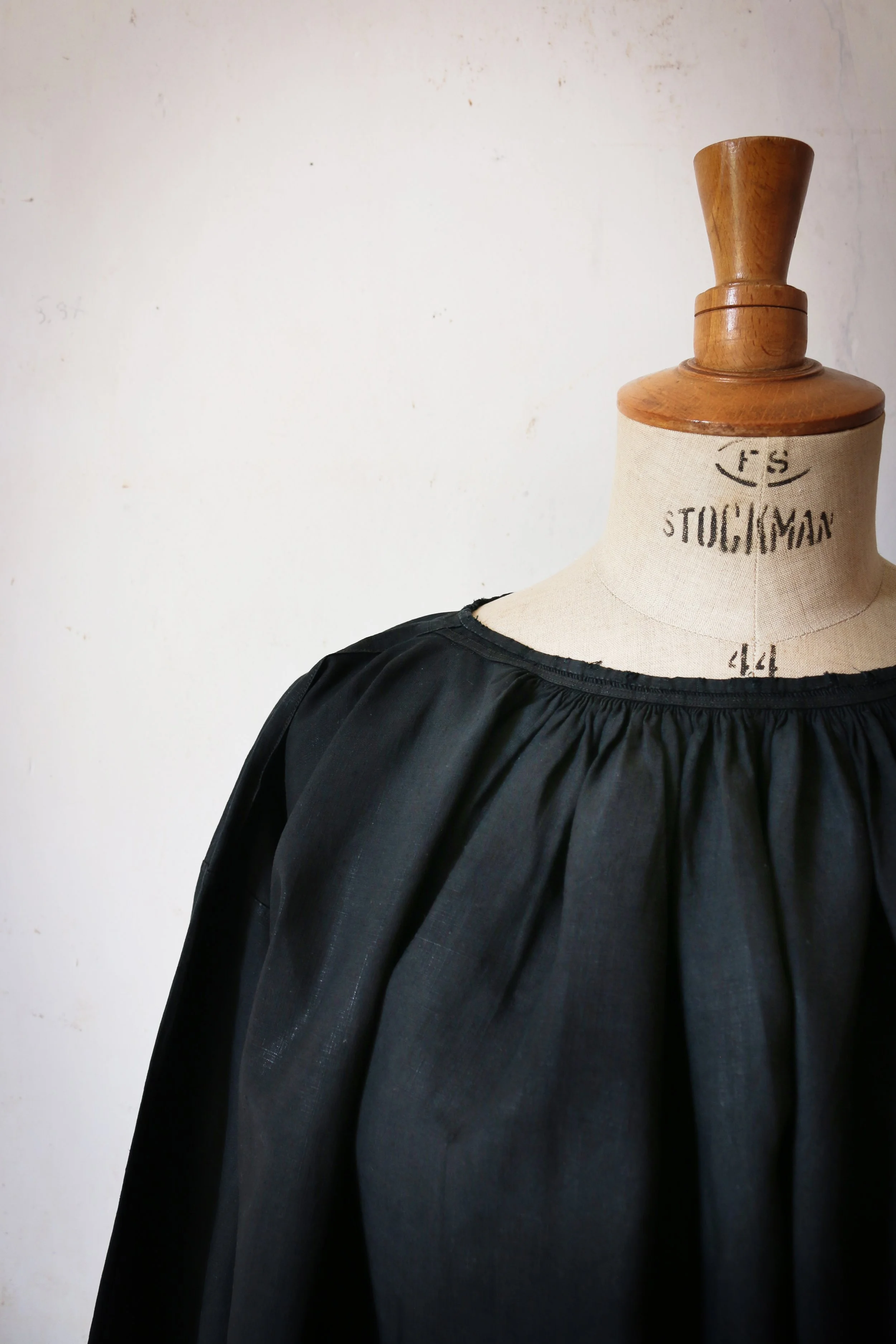 Image 5 of 10
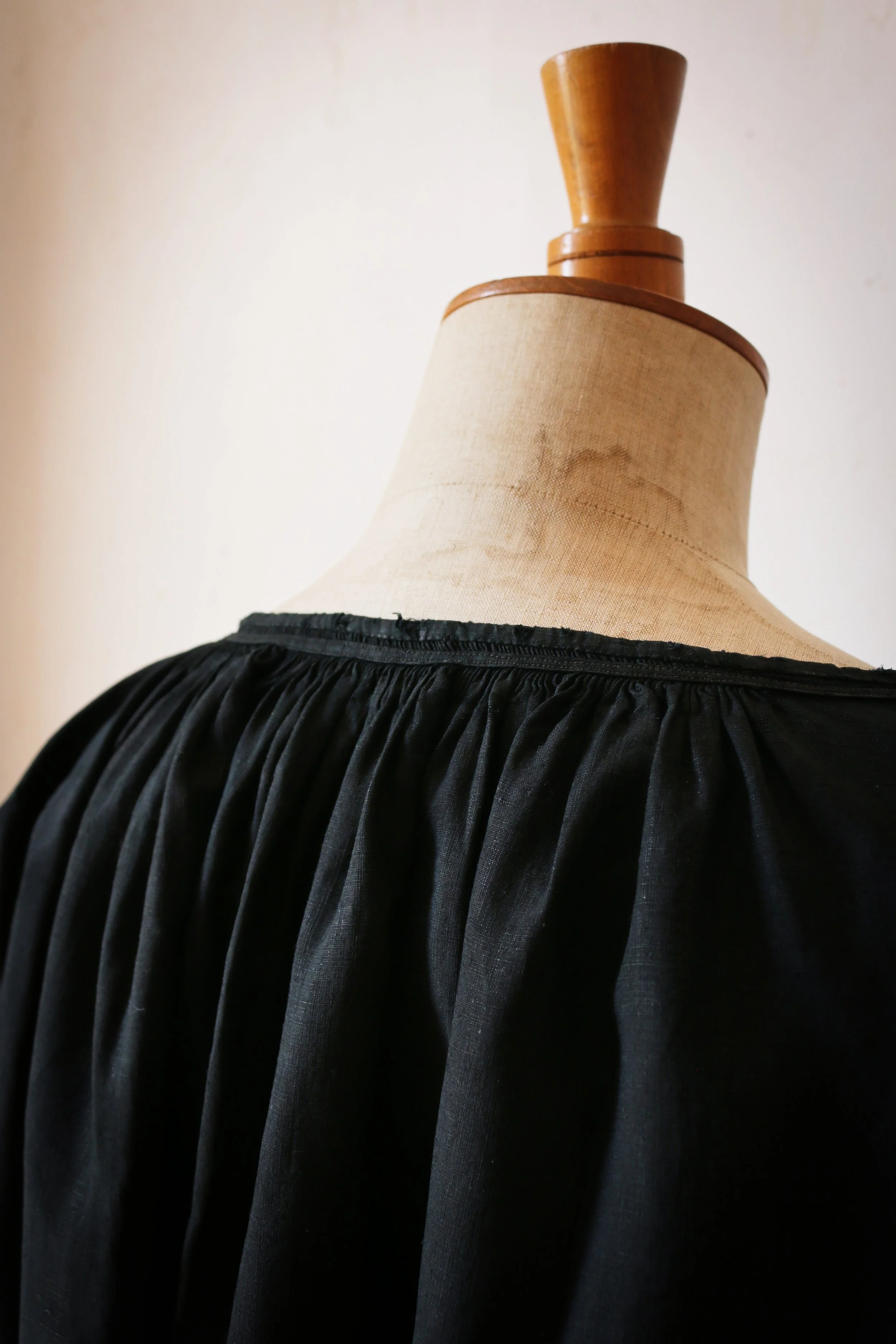 Image 6 of 10
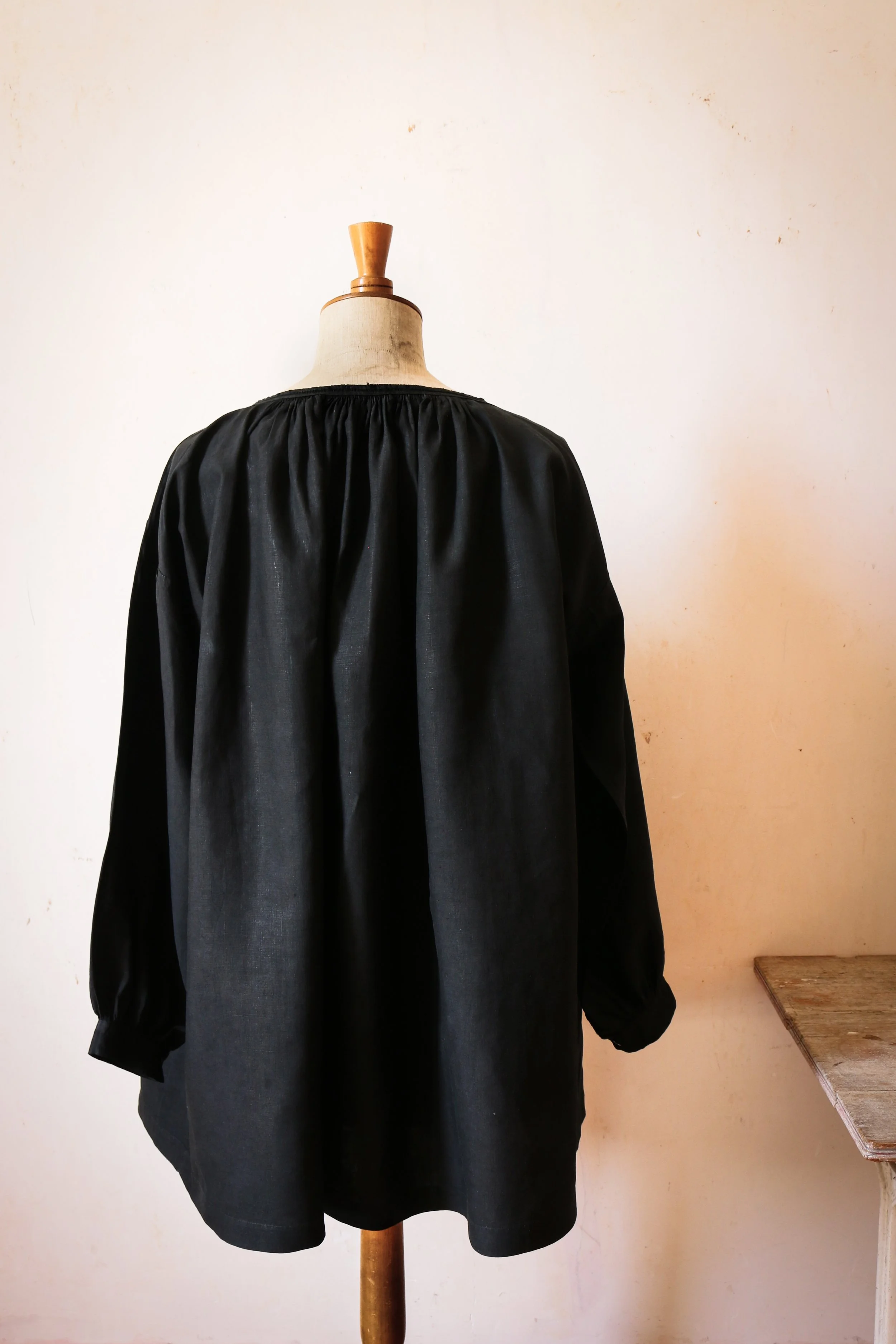 Image 7 of 10
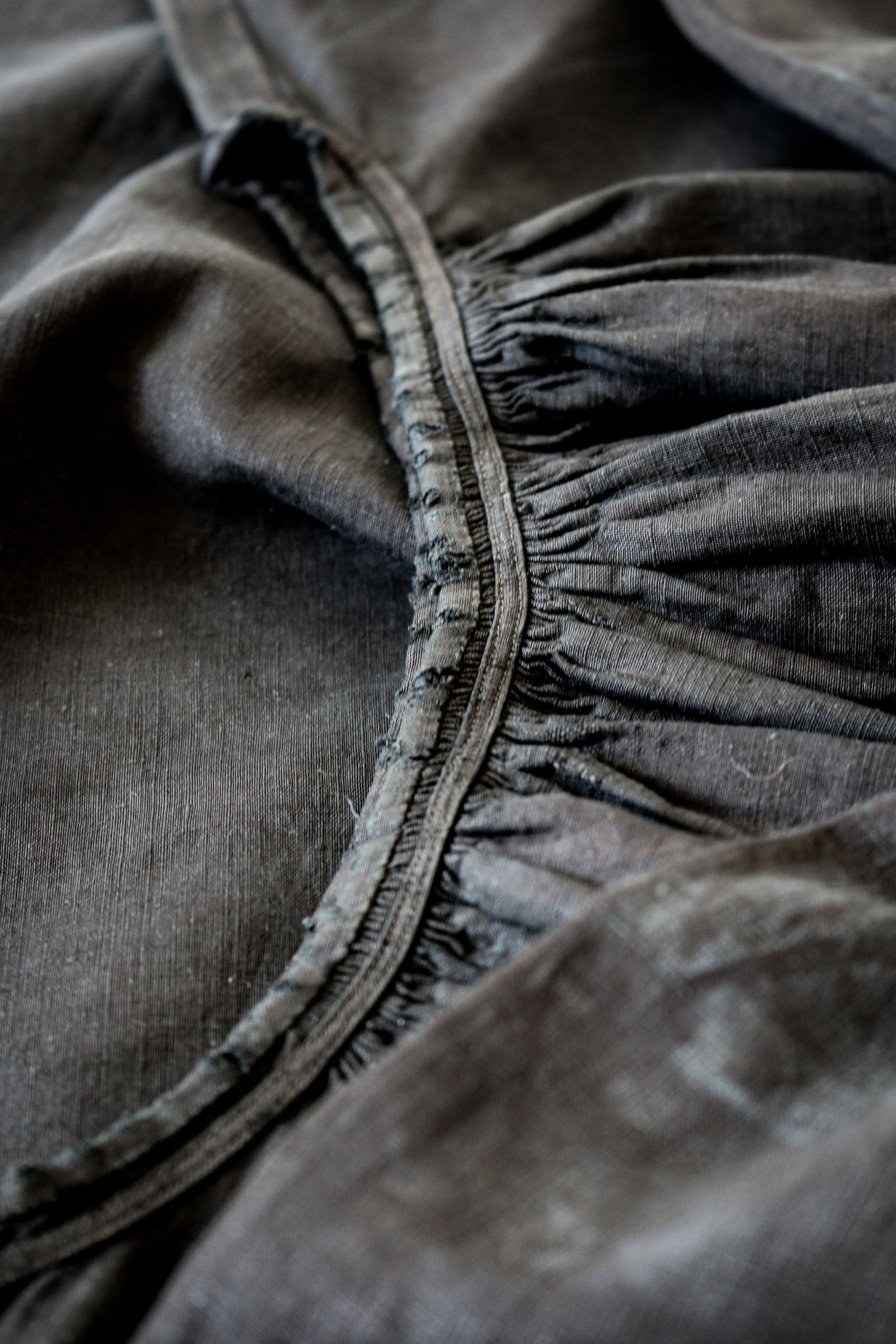 Image 8 of 10
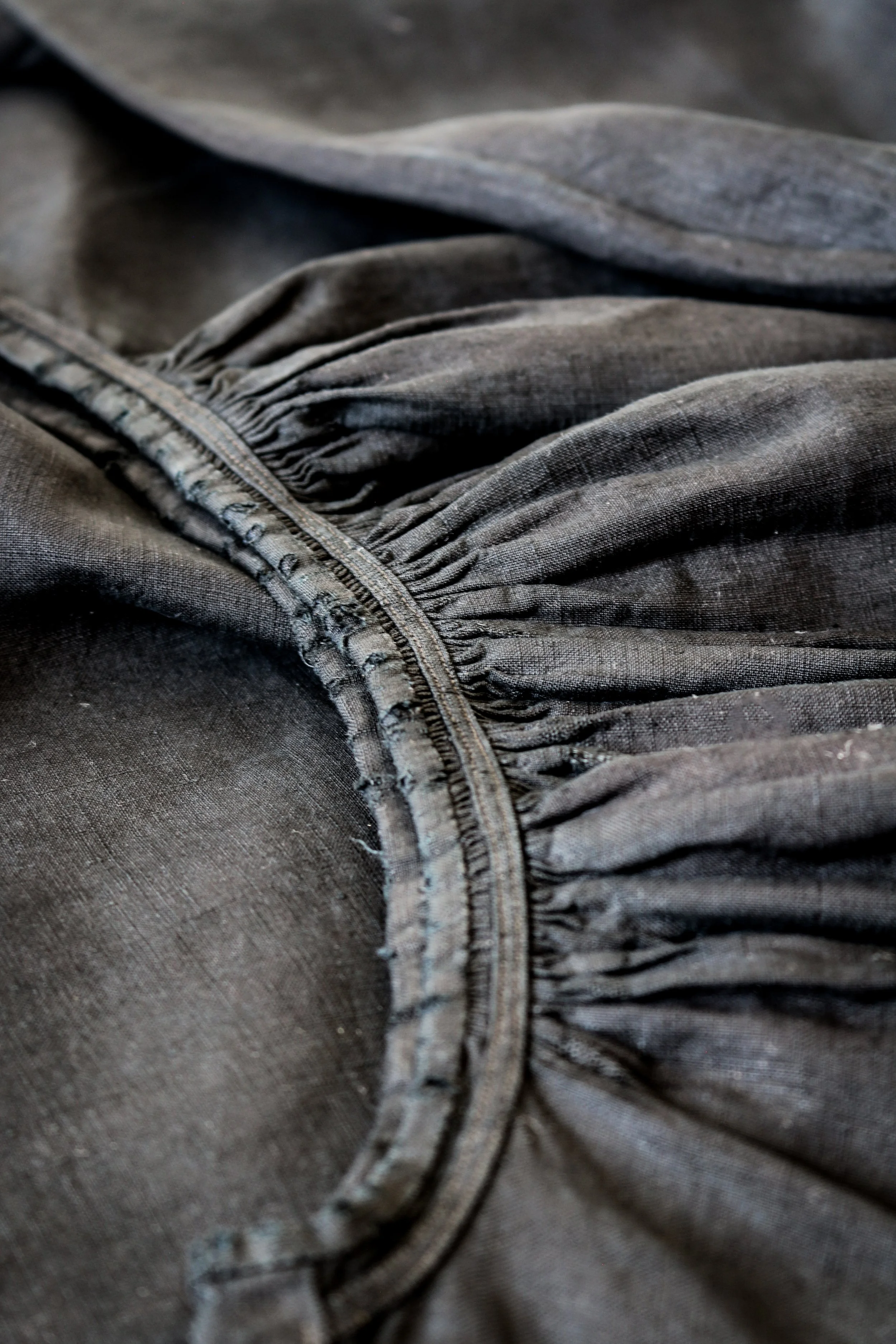 Image 9 of 10
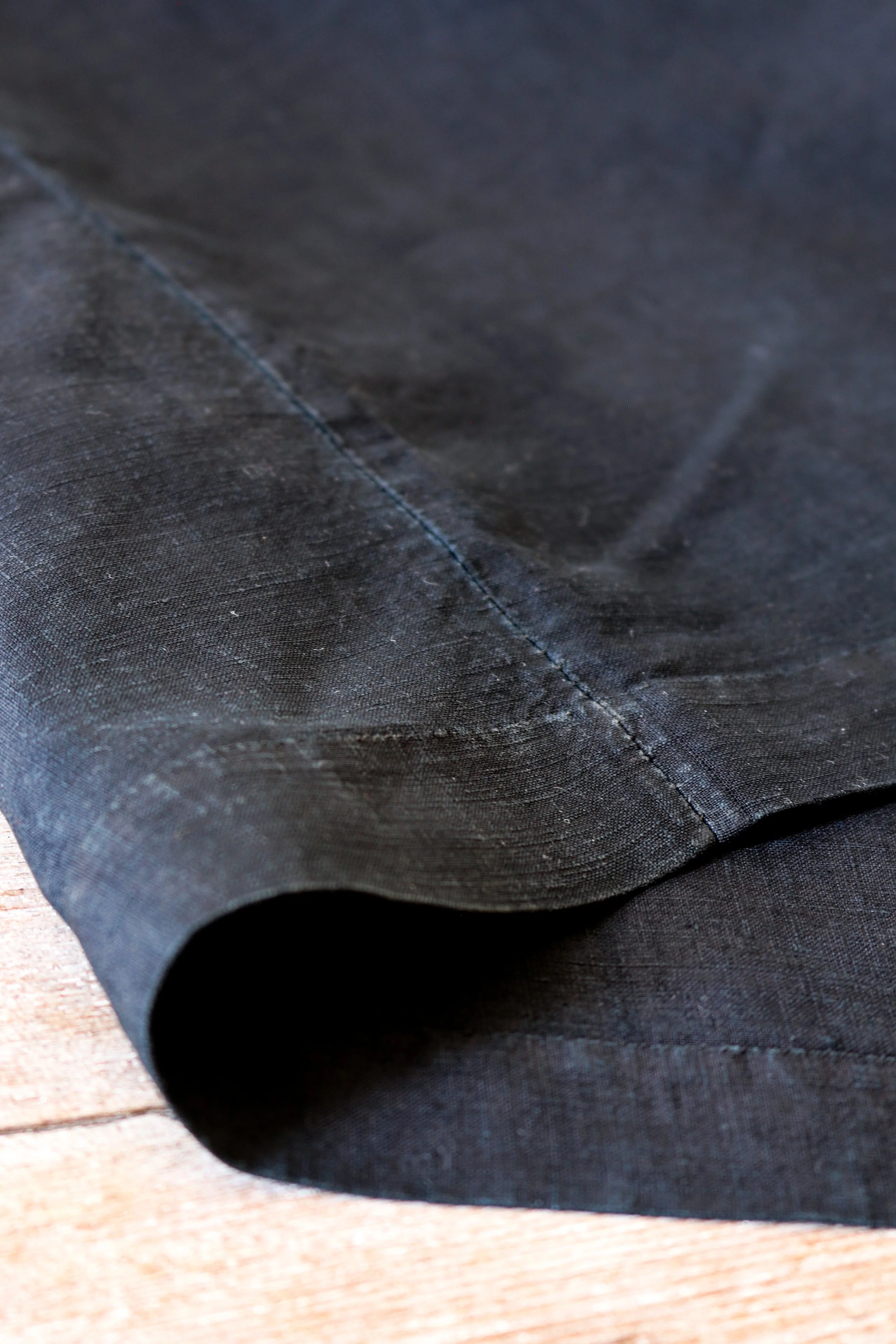 Image 10 of 10